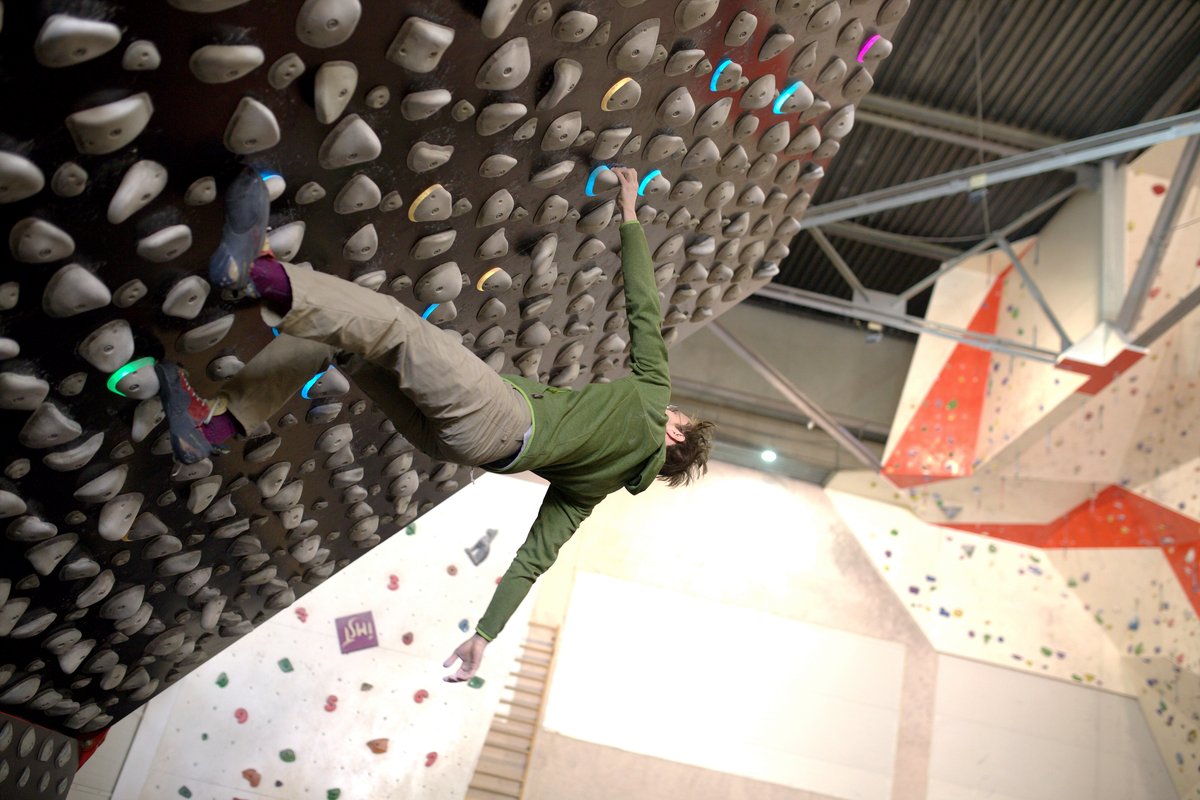
Ten years, 100+ one-on-one clients. Same method under three different scoreboards: English fluency under pressure, chess results that hold up past move fifteen, climbing that doesn’t stall at the same grade for a year. Not one-size-fits-all. What’s holding you back.
Десять лет, больше ста учеников индивидуально. Один метод — три разных табло: беглый английский под давлением, шахматные результаты, которые не рассыпаются после пятнадцатого хода, скалолазание, которое не буксует на одном уровне сложности годами. Не единый шаблон для всех. То, что тебя сдерживает.
Achieved100+ one-on-one clients30 students to 1800+13 climbers reached 7a in a year
Common problemsCarrying structure over from Russian, fear of making a mistake, freezing up, understanding more than you can say, trouble with listeningCalculating only one line · Hoping the opponent blunders · Playing too closed · Giving up too early · A tilt streak after a couple of losses · Lack of versatilityOver-gripping the holds · Avoiding dynamic moves · Underestimating flexibility · Only training what you're already good at
Vitnyr is a word created from two Old Norse roots: vit, meaning sense or understanding, and nýr, meaning new. Together: new understanding. The word is a call to look for fresh perspectives on old skills, and to stay endlessly curious. The mark merges its initials, V and Y, into one shape.
Vitnyr — слово, созданное из двух древнескандинавских корней: vit — понимание, разумение — и nýr — новый. Вместе: новое понимание. Слово напутствует поиску свежих взглядов на старые навыки и бесконечному любопытству. Знак сливает его инициалы, V и Y, в одну форму.
02The method
Deliberate practice, pointed at the weakest link.
Deliberate practice, направленная на самое слабое звено.
I combine neuroscience, rehab principles and the psychology of learning to coach people in a way that sticks.
Exposure doesn’t build skill. Neither does time on the board, on the wall, or in an app. Skill comes from one loop: work right at the edge of what you can already do, catch what breaks in real time, and correct it before it sets. Everything below is that loop, applied with discipline.
Я соединяю нейронауку, принципы реабилитации и психологию обучения — и тренирую так, чтобы выученное действительно использовалось.
Навык не растёт от простого контакта с языком. И от часов за доской, на стене или в приложении тоже. Он растёт из одного цикла: работать прямо на грани того, что вы уже умеете, ловить сбой в реальном времени и исправлять его до того, как он закрепится.
A mistake is easiest to fix the second you make it. Corrected a week later, it sets roots. Tutoring software found the same thing — feedback right after the error beat feedback given later. In chess, a blunder caught the moment it happens lands harder than one you only hear about in the post-game review. On the wall, a foot placement fixed mid-attempt changes your next go. Fixed from the ground afterward, it’s a note you’ll forget by next session.
Ошибку проще всего исправить в ту секунду, когда вы её допустили. Поправят через неделю — и она успеет пустить корни. Обучающие программы показывают то же самое: обратная связь сразу после ошибки работает лучше отложенной. В шахматах зевок, пойманный в момент, когда вы его допустили, запоминается сильнее, чем тот, о котором вы узнаёте только на разборе партии. На стене нога, поправленная прямо во время попытки, меняет следующую попытку. Поправленная уже с земли — это просто заметка, которую забудете к следующему занятию.
Mistakes aren’t random. A Russian speaker drops articles because Russian has none — the habit shows up in every sentence, carried straight over from the first language. Find that habit and you fix dozens of errors at once. In chess, most players don’t have a hundred weaknesses — they have three or four blind spots wearing different disguises, and the strongest players find those and drill them instead of just playing more games. In climbing, everything from your grip to the way you place your toes is muscle memory: see the pattern in the mistakes you repeat, and you see exactly what to fix.
Ошибки не случайны. Русскоговорящий теряет артикли потому что в русском их нет — такая привычка вылезает в каждой фразе, перенесённая прямо из родного языка. Найдёте эту привычку — и сразу исправите десятки ошибок. В шахматах у большинства игроков не сто слабостей, а три-четыре слепых пятна в разных нарядах, и сильнейшие игроки находят их и тренируют, а не просто играют больше партий. В скалолазании хват, постановка стопы — всё это мышечная память: увидьте закономерность в ошибках, которые повторяются, и вы увидите, что именно нужно исправить.
Too easy and you’re chilling, not learning. Too hard and you’re just struggling. The right level sits right at your edge. A climber calls it the crux. A chess player calls it playing someone 100 points stronger. In English, it could be speech faster than you’re used to, or an unfamiliar accent. Misjudge it and on a wall it costs you a tendon, at a board a losing streak, in a language six more months on a plateau.
Слишком легко — вы отдыхаете, а не учитесь. Слишком тяжело — вы просто мучаетесь. Нужный уровень лежит прямо на вашем пределе. Скалолаз назовёт это ключом. Шахматист — партией с соперником на 100 пунктов рейтинга сильнее. В английском это может быть просто речь быстрее той, к которой вы привыкли, или странный акцент. Промахнётесь мимо этого уровня — на стене заплатите связкой, за доской серией поражений, в языке ещё полугодом на плато.
Re-reading a mistake isn’t the same as recalling it. The brain doesn’t strengthen what it re-reads — it strengthens what it has to dig back up on its own, especially once the answer isn’t sitting on the surface anymore. An error corrected once and never revisited fades in days. Brought back cold a week later, it sticks. Chess works the same way — replaying a line you just saw is recognition, not memory; being asked the same position blind, three days on, is the real test. On the wall, a beta sequence drilled twice in one session means little if your body can’t find it again two sessions later without a reminder.
Перечитать ошибку — не то же самое, что вспомнить её. Мозг закрепляет не то, что перечитывает, а то, что приходится доставать из памяти самому — особенно когда ответ уже не лежит на поверхности. Ошибка, исправленная один раз и забытая, стирается за считаные дни. Та же ошибка, поднятая «с холода» через неделю, остаётся надолго. В шахматах так же: повторить только что увиденный вариант — это узнавание, а не память; настоящая проверка — та же позиция вслепую три дня спустя. На стене связка движений, отработанная дважды за одну тренировку, мало что значит, если тело не находит её снова через две тренировки без подсказки.
Ten present-perfect sentences in a row teach you to recognize a pattern you’re already expecting. Mix present perfect in with simple past, and you’re forced to actually decide which one a sentence needs — that decision is the real skill, and the ten-in-a-row version never trains it. Chess is the same: twenty pins in a row make you fast at spotting pins, but a mixed set of tactics trains the harder, more useful skill — noticing which tactic even applies. On the wall, a session of nothing but crimps builds one movement pattern. Mix in slopers and dynamic moves and the body has to choose its response instead of just running the one it rehearsed. It feels messier in the moment. But it simulates real-life challenges.
Десять предложений в Present Perfect подряд учат узнавать паттерн, который вы и так ждёте. Смешайте Present Perfect с Simple Past — и вам придётся по-настоящему решать, какое время нужно фразе; вот это решение и есть навык, а десяток однотипных примеров подряд его вообще не тренирует. В шахматах так же: двадцать связок подряд делают вас быстрым в поиске связки, но вперемешку разные тактические приёмы тренируют более сложный и нужный навык — замечать, какой приём вообще применим. На стене тренировка из одних зацепок закрепляет одно движение. Добавьте слоперы и динамичные движения — и телу придётся выбирать реакцию, а не просто выполнять заученную. В моменте это ощущается более хаотично. Зато так тренируется то, с чем вы столкнётесь в жизни.
03Specimens
Discipline··
You have a list of errors and they are deeply rooted. I will teach you how to unlearn them.
У вас есть список ошибок, и они глубоко укоренились. Я научу, как от них избавиться.
Russian speakers don’t make random mistakes. Russian grammar lays over English and mostly fits. Where it doesn’t fit is the same spot for almost everyone, so those errors can be named and trained. Three common ones:
Русскоязычные ошибаются не случайно. Русская грамматика ложится поверх английской и по большей части ложится ровно. Места, где не ложится, у всех примерно одни и те же, поэтому их можно назвать и оттренировать. Три частых:
Russian marks this feeling with a reflexive ending built into the verb itself. English carries no such ending, so the instinct is to bolt an equivalent back on by hand, onto a verb that was never missing it.
В русском это ощущение помечено возвратным окончанием прямо в глаголе. В английском такого окончания нет, и рефлекс — добавить что-то похожее вручную, к глаголу, которому это было не нужно.
The Russian word behind this describes a state, not an action. Its English counterpart already is the action. Add am anyway and it still sounds fine, so nobody catches the mistake, and it lives on for years.
Русское слово «согласен» описывает состояние, а не действие. Английский аналог — это и есть действие. Добавляя am, мы всё равно звучим понятно, поэтому ошибку никто не ловит, так она живёт годами.
The sentence is grammatically fine and still lands closer to a command. Russian softens a direct command with a single added word; in English, please isn’t enough.
Фраза грамматически в порядке и всё равно звучит ближе к команде. В русском команду смягчает одно добавленное слово; в английском please не достаточно.
Sessions for people whose mistakes have become a habit, where Russian overrides English and Duolingo or Skyeng haven’t fixed it. Sessions run one-on-one or in groups, built around your own preferences, needs and prior experience. Online or in Yerevan.
Занятия для тех, чьи ошибки стали привычкой, где русский перекрывает английский, а Duolingo и Skyeng не показали результата. Занятие — один на один или в группе, программа опирается на твои предпочтения, нужды и предыдущий опыт. Онлайн или в Ереване.
A rating plateau is when chess stops being about learning and becomes a procrastination device.
Застой в рейтинге — это когда шахматы перестают быть про обучение и становятся способом прокрастинации.
Calculating only 2 moves into the attack, trusting a memorized line past where memory holds, and playing scared for the rest of the game after one bad move — the same three patterns turn up across rating bands. There are many more.
Считать только на 2 хода вперёд в атаке, доверять заученному варианту дальше, чем хватает памяти, и доигрывать партию на нервах после одной ошибки — эти три паттерна повторяются на любом уровне. Есть и другие.
Incorrect: You see the fork, don’t calculate, and play it — and lose, missing that your opponent has a saving resource.
Correct: You spot the fork, check the opponent’s best replies — and play it only if it works.
Неверно: Видишь вилку, не посчитав, ставишь её — и проигрываешь, не увидев, что у соперника есть спасающий ресурс.
Верно: Замечаешь вилку, проверяешь лучшие ответы соперника — и ставишь её, только если она работает.
Finding the tactic feels like the hardest part, so the move gets played the moment it’s spotted. The position is often decided by checking whether the opponent has a single counter-shot.
Найти тактику кажется самым трудным, поэтому ход играют сразу, как только его увидели. Позицию часто решает проверка, есть ли у соперника один ответный удар.
Incorrect: You play the memorized line on autopilot, not noticing that the position differs from the line you remember.
Correct: You play the memorized line, paying attention to every change in the position, and switch your brain on as soon as you notice one.
Неверно: Играешь заученный вариант на автомате, не замечая, что позиция отличается от линии, которую помнишь.
Верно: Играешь заученный вариант, обращая внимание на каждое изменение позиции, и включаешь голову, как только замечаешь изменение.
A memorized sequence feels like understanding, so it keeps running past the point either side prepared. The position a few moves later isn’t the book’s problem to solve anymore — it’s a new one, and it needs fresh calculation, not more recall.
Заученная последовательность создаёт ощущение понимания, поэтому её продолжают играть и за пределами домашней подготовки. Позиция через несколько ходов — это уже не задача из книги, а новая, и её нужно считать заново, а не вспоминать.
Incorrect: You blunder a pawn — and for the next twenty moves you play defensive moves.
Correct: You blunder a pawn, reassess the position, look for compensation and a way to trick your opponent.
Неверно: Зеваешь пешку — и следующие двадцать ходов играешь защитные ходы.
Верно: Зеваешь пешку, оцениваешь позицию заново, ищешь компенсацию и способ обмануть соперника.
After losing a pawn, you put yourself in a position with a losing endgame. In such cases, instead of hoping for your opponent’s mistake and playing closed, it’s better to increase the pressure until they crack.
Потеряв пешку, ты ставишь себя в положение проигрышного эндшпиля. В таких случаях вместо надежды на ошибку соперника и игры в закрытую лучше усилить давление, пока он не сломается.
Sessions for players under 1800 who’ve plateaued — intuition leads to mistakes, thin opening prep, or winning positions turning losing within a few moves. Sessions run 60 minutes, one-on-one or in groups, over Lichess or Chess.com plus a call — reviewing two or three recent games against patterns drawn from 5,000+ analyzed, then drilling whichever one keeps recurring. Online or in Yerevan.
Занятия для игроков с рейтингом до 1800, которые упёрлись в плато — интуиция приводит к ошибкам, слабый дебют, или выигрышные позиции за пару ходов превращаются в проигрышные. Занятие — 60 минут, один на один или в группе, через Lichess или Chess.com плюс звонок: разбор двух-трёх последних партий на фоне более 5000 разобранных, с упором на повторяющийся паттерн. Онлайн или в Ереване.
Most plateaus are just habits that you can’t see, and unlearn.
Большинство плато — это просто привычки, которые вы не замечаете и от которых не можете отучиться.
Fear, injury, undertraining — these are what create the habits your plateau is built on. Below are three of many habits that might be holding you back.
Страх, травма, недостаточная нагрузка — эти причины порождают привычки, из-за которых держится твоё плато. Ниже — три из многих привычек, которые, возможно, мешают тебе пробиться.
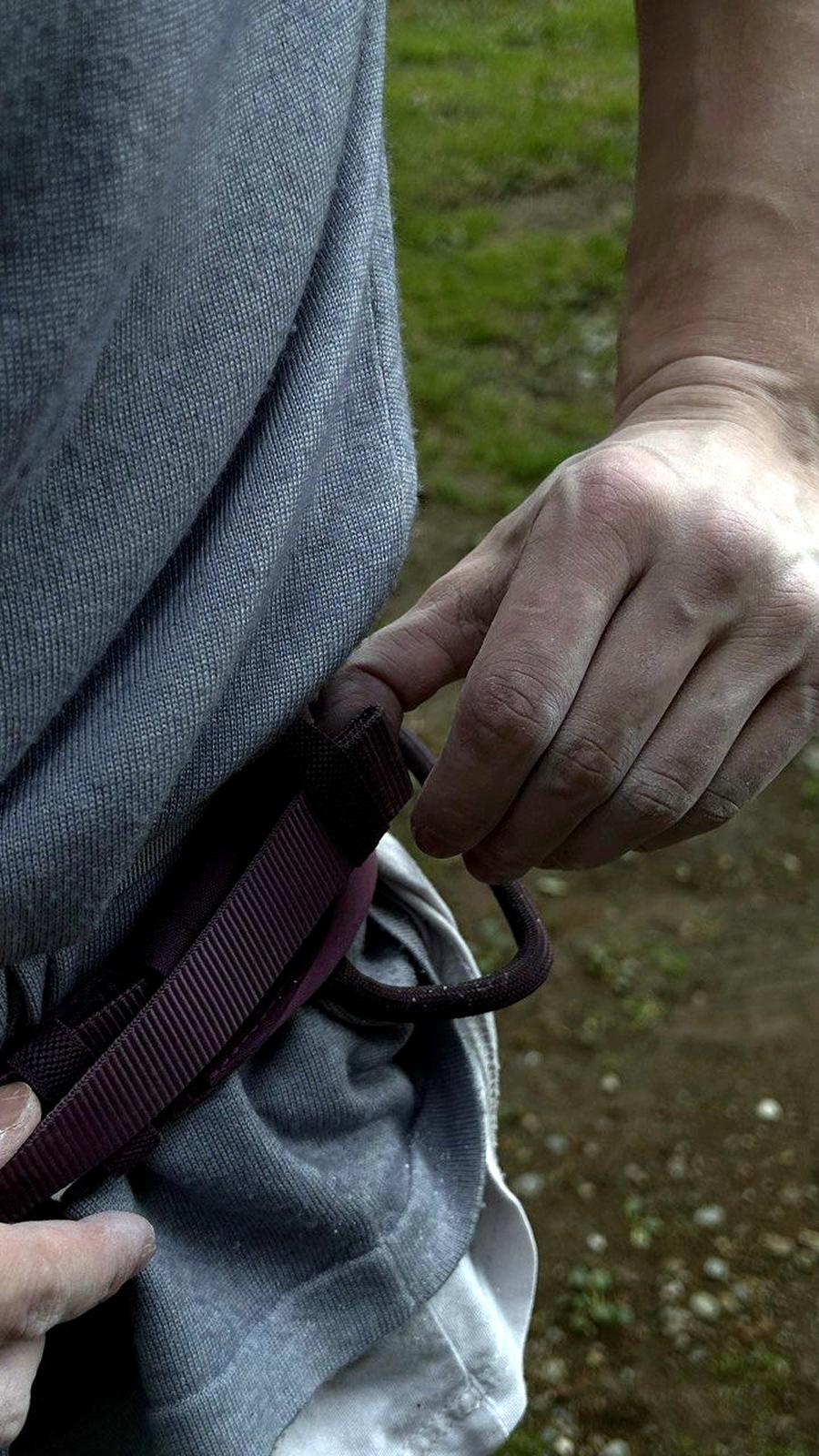
Incorrect: You over-grip the holds out of fear of falling, losing strength with every move.
Correct: You grip the hold with just the right amount of force, saving energy with every move.
Неверно: Пережимаешь зацепки из-за страха срыва, теряя силы на каждом движении.
Верно: Держишь зацепку с точечной силой, экономя энергию с каждым движением.
Overgripping keeps your forearms clenched, which cuts off blood flow and gets you pumped fast. You also burn grip strength on holds that don’t need it, tense up your biceps and shoulders, and put extra strain on your fingers and elbows.
Пережим держит предплечья в постоянном напряжении: кровь не доходит, и забиваешься уже через пару движений. Заодно сжигаешь силу хвата там, где она не нужна, закрепощаешь бицепсы и плечи, а пальцы с локтями получают лишнюю нагрузку.
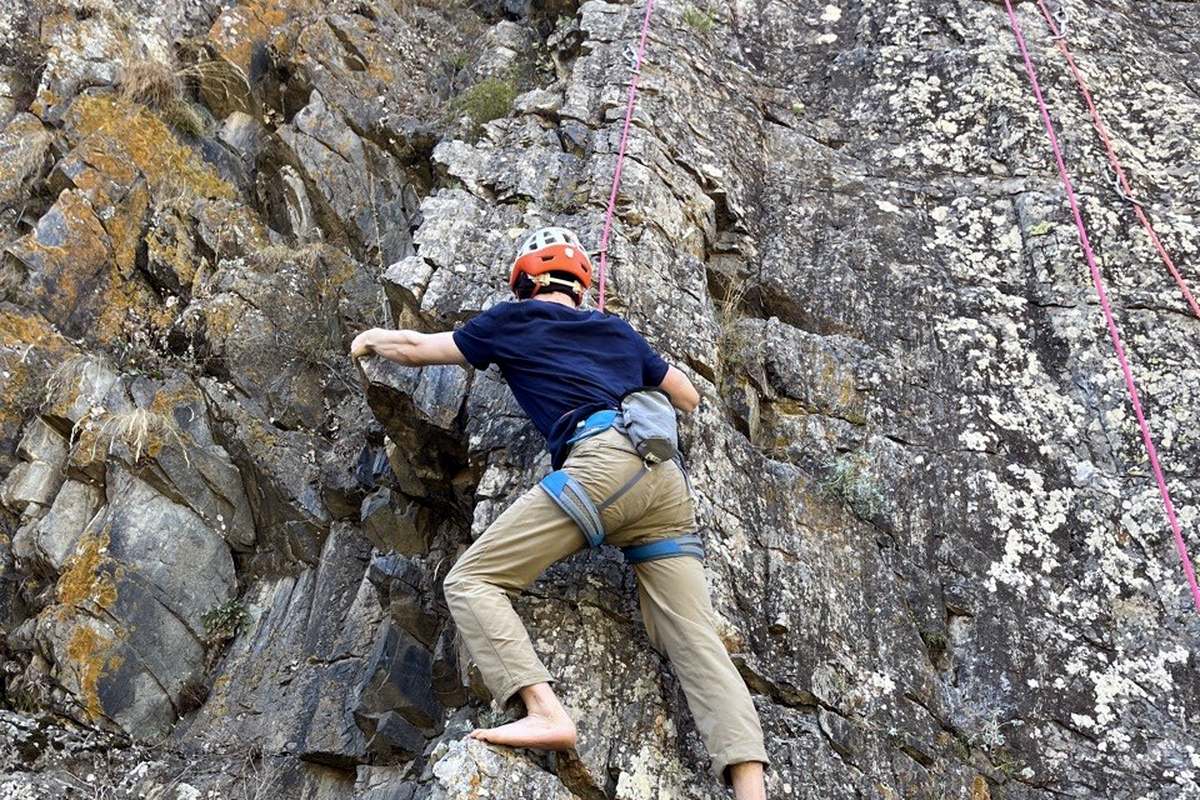
Incorrect: You pull yourself up on bent arms, hips away from the wall.
Correct: You push with your legs, hips to the wall, arms straight and just there for balance.
Неверно: Тянешь себя на согнутых руках, таз отходит от стены.
Верно: Толкаешься ногами, таз прижат к стене, руки помогают балансировать, выпрямлены.
Your arms take the most strain. That doesn’t mean they should be doing the most work. They need help from the rest of your body — neck, back, legs, hips, feet all play a part.
Руки напрягаются больше всего. Это не значит, что надо работать именно ими. Нужно помогать рукам всеми остальными частями тела. Шея, спина, ноги, таз, ступни — всё играет роль.
Incorrect: You waste precious seconds figuring out the move on the wall.
Correct: You read the route from the ground and rehearse the sequence in your head and body before touching the wall.
Неверно: Тратишь драгоценные секунды, думая над движением на стене.
Верно: Читаешь трассу с земли и имитируешь связку в голове и телом до того, как коснулся стены.
Improvising matters in climbing. But it removes your chance to catch a bad sequence before you’re on the route — fixing it up there costs far more.
Импровизация важна в скалолазании. Но она убирает шанс заметить неудачную последовательность до того, как трасса началась — наверху исправлять её выходит куда дороже.
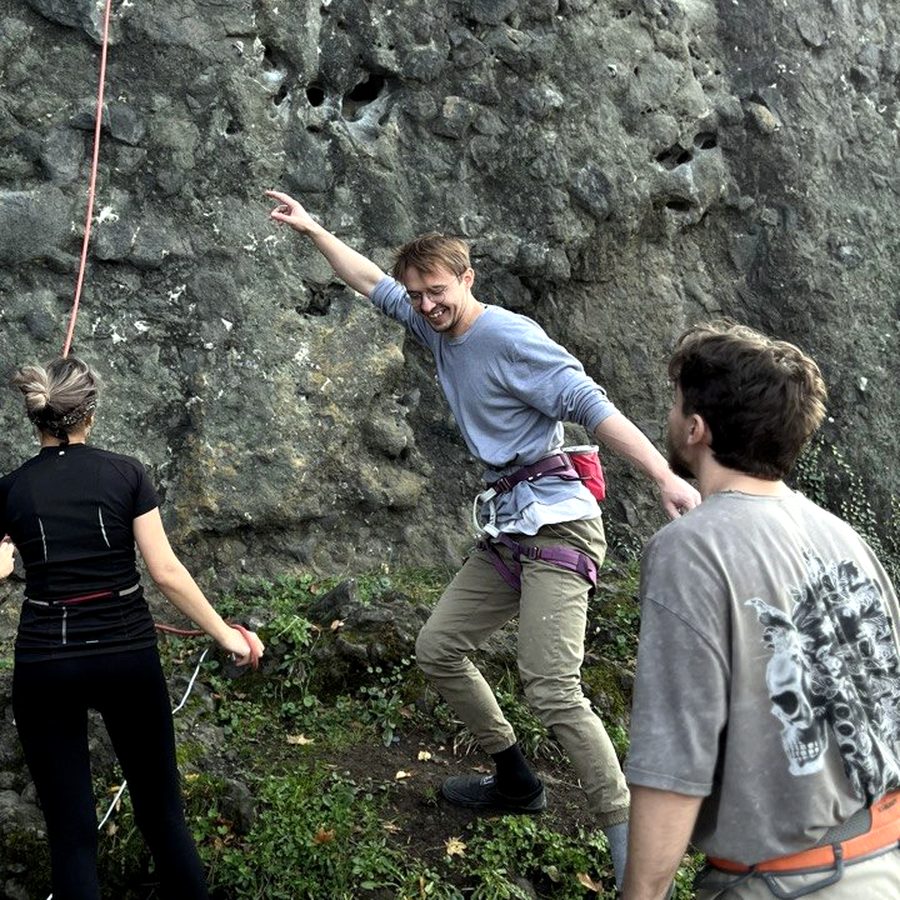
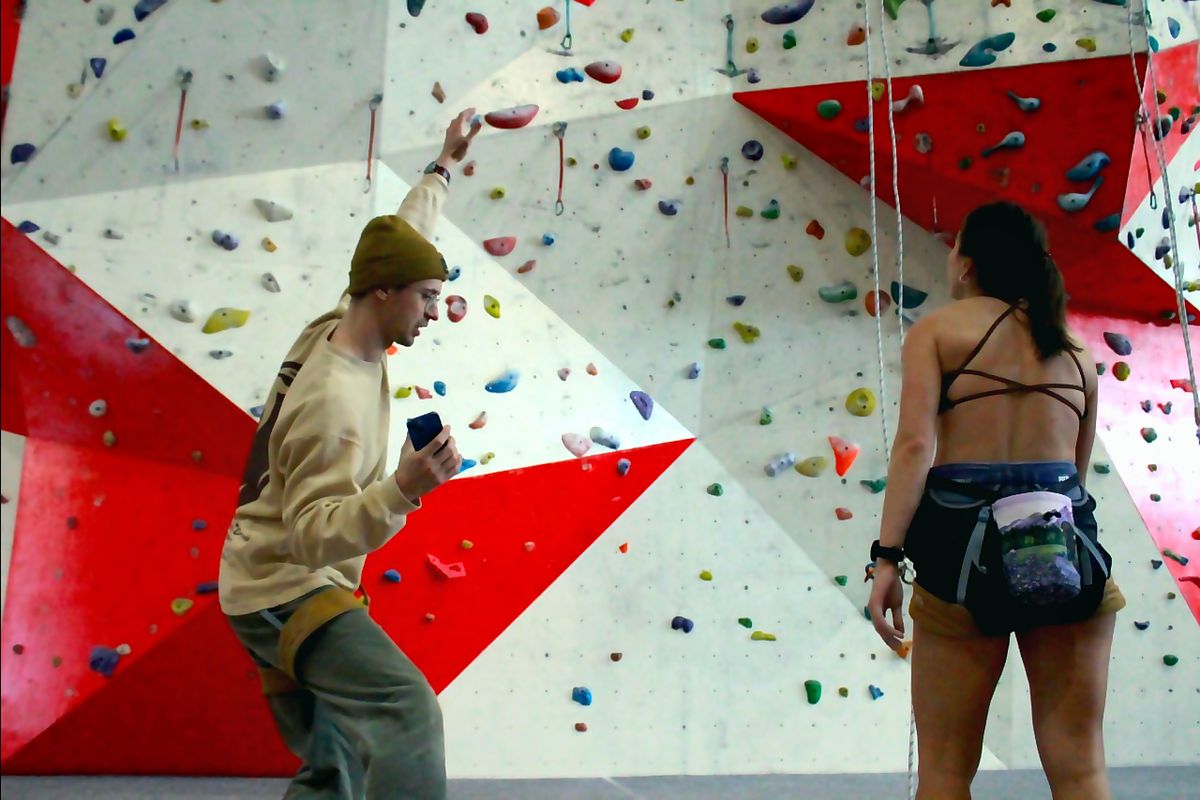
Sessions run one-on-one or in groups, in the gym or over video, on technique, route-reading, or the mental side of leading. For climbers under 7a working through a plateau — injuries, bad technique, weak fingers, or routes they can’t read. Overtraining everything else kills motivation. Here it’s a damaged tendon, and you find out when it’s already too late. Coaching online or in Yerevan.
Занятия — один на один или в группе, в зале или по видео, разбор техники, чтение маршрута или психология лида. Для скалолазов, которые лезут ниже 7a и упёрлись в плато — травмы, техника хромает, пальцы слабые, маршрут не читается. Перебор с нагрузкой в других навыках убивает мотивацию. Здесь — поврежденные связки, и ты узнаешь об этом, когда уже поздно. Занятия онлайн или в Ереване.
Years of grammar drills, gym sessions, and rated games — the English still freezes under pressure, the grade hasn’t moved, the rating’s flat. None of it tells you what’s stuck.
Годы грамматических упражнений, тренировок в зале и рейтинговых партий — а английский всё равно виснет под давлением, категория не растёт, рейтинг стоит на месте. Ничто из этого не говорит, что именно вас блокирует.
You understand what to do, but stress ruins the performance
You understand the crux, the speech, the move, but none of it comes out effortlessly when it counts.
Вы понимаете бету, речь, ход — но под давлением вы теряетесь.
One skill is carrying the rest
Your listening, your grip strength, your opening repertoire, or whatever else you’ve got: one is far ahead of the rest. You sharpen what already works and let the others slide. Time to fix that.
Слушание, хват, дебютный репертуар — что бы это ни было, один навык далеко впереди остальных. Вы оттачиваете то, что уже работает, и даёте остальному проседать. Пора это исправить.
You back off the second it gets hard
The conversation gets hard and you switch back to Russian; the position gets sharp and you head for a safe trade; the move gets scary and you climb down. Same reflex, three different words for it.
Неизвестная тема в разговоре — и вы переходите на русский. Позиция острая — и вы уходите в размен чтобы не рисковать. Динамическое движение — и вы слезаете со стены. Один и тот же рефлекс, просто три разных слова для него.